Bishkek is not a city that tries to impress you at first glance. It does not compete for attention, and it does not perform for visitors. Instead, it waits. It waits for you to slow down, to walk without rushing, to sit on a bench longer than planned, and to notice how life unfolds quietly around you. This is exactly why Bishkek Kyrgyzstan stays with you long after you leave. It is a city that reveals itself through routine rather than highlights.
I first arrived in Bishkek without expectations, which is the best way to meet this place. Solo travel changes how you read cities like this. Without a checklist, you notice the rhythm of mornings, the way people gather in parks in the evening, and how mountains quietly frame everyday life. Bishkek is not about spectacle. It is about atmosphere, and once you tune into it, the city opens generously.
Understanding Bishkek Beyond the Map
A City Built for Walking and Watching
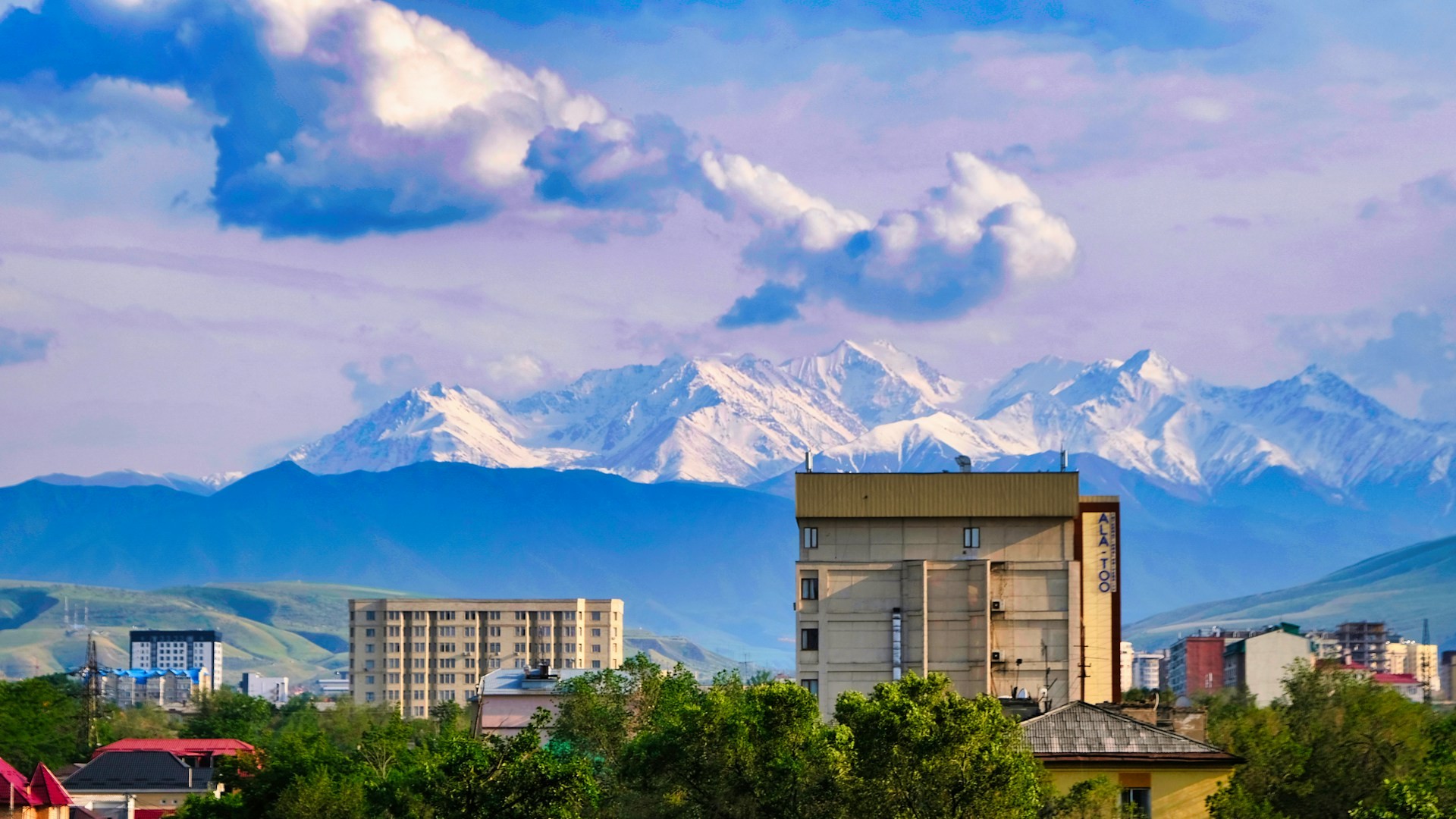
Bishkek feels wide and open. Streets are broad, sidewalks shaded by old trees, and neighborhoods breathe easily. Soviet planning left its mark here, but instead of feeling heavy, it gives the city a sense of space that many capitals have lost. Walking becomes a pleasure rather than a task.
As you move through the city, you will notice how daily life unfolds outdoors. Elderly men play chess in courtyards. Children ride bikes until sunset. Cafes spill onto sidewalks without trying to attract attention. This is one of the reasons Bishkek often surprises solo travelers. You are never rushed, never pushed to consume, never overwhelmed.
For solo travel for women, this atmosphere feels grounding. Bishkek is generally calm, especially during the day. People are curious but respectful, and public spaces feel shared rather than chaotic. Like anywhere, awareness matters, but fear rarely does.
Bishkek Weather and the Pace of the Seasons
Bishkek weather shapes how the city lives. Summers are hot and dry, pushing life into the evenings. Winters are cold but often sunny, with snow appearing and disappearing quietly. Spring and autumn are when the city feels most alive.
In spring, parks fill with families and couples. In autumn, markets overflow with fruit, and the air feels crisp without being harsh. Understanding the seasons helps you understand the mood of the city. Bishkek does not fight its climate. It adapts to it gracefully.
Here is how different seasons shape everyday life in Bishkek:
-
Spring: mild temperatures, green streets, social energy returning to parks
-
Summer: hot daytime weather, slow afternoons, lively evenings outdoors
-
Autumn: cooler air, quieter rhythm, markets full of color and produce
-
Winter: cold but bright days, calmer streets, more local focused life
This seasonal rhythm makes Bishkek an interesting choice for those searching for the best places to travel solo. Each period offers a slightly different version of the city.
Things to Do in Bishkek That Feel Real
Daily Life as an Experience
Many guides focus on landmarks, but Bishkek teaches you through everyday moments. One of the most meaningful things to do in Bishkek is simply to observe. Walk through Oak Park in the afternoon. Sit near Ala Too Square without taking photos. Spend time at a local cafe where no one speaks English fluently.
These experiences create connection without effort. They also remove pressure. Solo travel becomes lighter when you stop trying to see everything and start allowing things to happen.
Markets are another essential window into the city. Osh Bazaar is loud, colorful, and honest. It shows you how people shop, what they cook, and what matters daily. It is chaotic but never aggressive. Walking through it alone feels safe if you stay aware and move confidently.
Cultural Spaces Without Formality
Museums in Bishkek are rarely crowded. You can take your time, read slowly, and sit when you need to. The State History Museum gives context to the country’s past, but it also shows how identity here is layered and complex.
Art spaces and small galleries appear quietly, often run by young locals who want to share something personal rather than commercial. These places do not advertise heavily. You find them through conversation, recommendations, or chance.
For solo travel tips in Bishkek, this matters. You do not need a plan. You need openness. Conversations start easily, especially when people see you taking interest rather than rushing.
Small Rituals That Define the City
Some of the most meaningful things to do in Bishkek cannot be scheduled. Drinking tea slowly in the afternoon. Watching the city change color as the sun sets behind the mountains. Listening to music from a nearby apartment window.
Here are a few simple experiences that define Bishkek more than any attraction:
-
Walking under tree lined streets in the early evening
-
Sitting in a park with sunflower seeds and no destination
-
Visiting a neighborhood bakery in the morning
-
Taking a shared taxi without understanding every word
-
Watching locals gather around street food stalls
This list is not about efficiency. It is about presence.
Bishkek as a Solo Travel Destination
Why Solo Travel Works Here
Bishkek offers something rare. It allows you to exist without performing. For solo travel, this is a gift. No one expects you to explain yourself. No one questions why you are alone. Being by yourself feels normal.
This makes Bishkek especially appealing for solo travel for women who value calm over stimulation. Streets are well lit, public transport is straightforward, and locals often step in to help without expecting anything in return.
The city also teaches patience. Things move slower. Plans change. This can feel uncomfortable at first, but soon it becomes freeing. You learn to trust the day rather than control it.
Practical Solo Travel Tips for Bishkek
While Bishkek feels welcoming, a few mindful habits make the experience smoother. Dress modestly, especially in residential areas. Learn a few basic Russian or Kyrgyz phrases, even just greetings. People appreciate the effort deeply.
Transportation is simple once you understand it. Marshrutkas look intimidating but are efficient. Taxis are affordable. Walking remains the best way to understand neighborhoods.
Safety comes from awareness, not fear. Stick to populated areas at night, trust your instincts, and observe how locals move. Bishkek rewards confidence, not caution.
A City That Encourages Reflection
Bishkek is not loud. It does not distract you constantly. This makes it ideal for reflection. Many solo travelers leave with a deeper understanding of themselves, not because the city teaches lessons, but because it allows space for them.
It is easy to see why Bishkek is slowly appearing on lists of the best places to travel solo. Not because it is polished, but because it is honest.
Bishkek in the Context of Kyrgyzstan
A Gateway Without Pressure
Bishkek Kyrgyzstan often serves as a gateway to mountains, lakes, and nomadic culture. But the city itself deserves attention. Too many travelers rush through it. Those who stay discover balance.
From Bishkek, you can reach stunning nature easily, but returning to the city feels grounding. It reminds you that Kyrgyzstan is not only landscapes, but people, routines, and modern life.
Where Past and Present Coexist
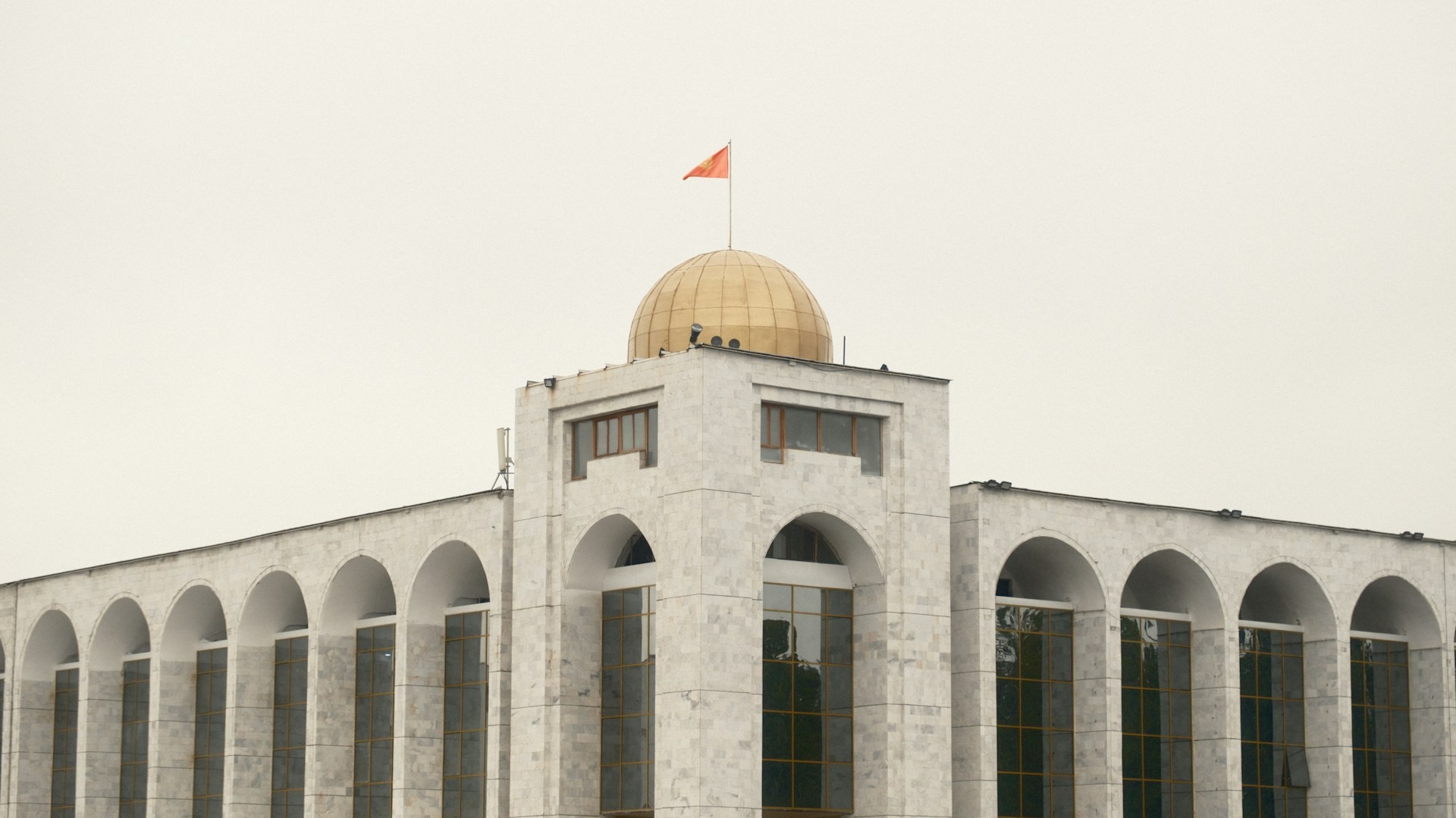
Soviet architecture stands next to modern cafes. Traditional values exist alongside global influences. Bishkek does not hide its contradictions. It lives with them openly.
This coexistence creates depth. You feel history without being trapped by it. You experience modern life without losing authenticity.
Bishkek does not demand admiration. It earns respect quietly. For travelers willing to listen, it offers something rare. A city that allows you to be present, alone, and at ease.
If you approach Bishkek slowly, without forcing meaning, it will meet you halfway. And often, that is more than enough.